Organizational Chart Templates In Visio
The need of creating Organization Charts are becoming indispensable these days, as companies start focusing on extensive hiring for far reach availability, increase in productivity and targeting diverse markets. Considering this rigorous change, creating an organization chart can help stakeholders in comprehending the ever growing organization structure & hierarchy with an ease. It shows the basic structure of organization along with defining the relationships between employees working in different departments. Opportunely, Microsoft Visio 2010 offers an easy way to create Organization chart. As before now, orthodox ways of listing organization hierarchy have been used for defining the structure of departments along with communication possible including; horizontal and vertical communications.

Download Video Jurus Tunggal Merpati Putih on this page. A desk with a tablet computer displaying a process diagram in Visio Professional 2016 image. Learn more about templates in Visio. Starting with org charts.
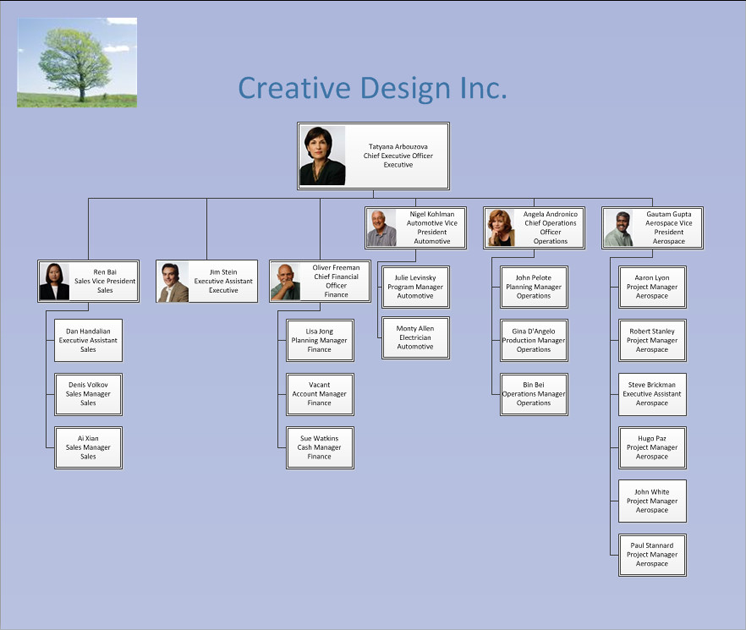
To transform these lists which defines organizational structure, into a detailed chart, Visio 2010 includes an add-in for importing Excel spreadsheet, which comes in handy for pulling out data from spreadsheet to create an organization chart. Importantly, you don’t need to indulge yourself in maze of defining organizational hierarchies and chalking-out structure, as you just need to specify the column & row headers, along with data you need to import and it will automatically create out chart defining; organizational hierarchies with specified credentials of each employee, categorized in their corresponding departments. Creating Organization Charts in Visio 2010 To start off with, we have created an Excel spreadsheet having fields, Name, Supervisor, Designation, Department and Phone. The Name field contains name of all the employees working in different departments, whereas Supervisor field contains name of supervisors or team leads. This field is vital for creating Organization Chart, as it defines the basic structure & hierarchy in chart. Now launch Visio 2010, head over to View tab, under Add-Ons menu, from Business options, click Organization Chart Wizard.
This will start Organization Chart Wizard, in the first step, enable Information that’s already stored in a file or database option, and click Next. As we are importing Excel sheet, select the second option for importing Excel spreadsheet. Specify the Excel file path and click Next to continue. In this step, you need to specify the fields which actually defines the structure of an organization.
In our case, these are Name & Supervisor fields. After specifying fields, click Next to Proceed further.
As organization chart is primarily for showing the hierarchy of departments/employees working in organization along with how they are linked together, and who supervises whom. Considering this, in this step we will leave out Supervisor field, because it’s inclusion wouldn’t be necessary as Visio automatically chalks-out the basic structure defined in Excel sheet. Add the rest of the fields under Displayed fields category, and click Next. Now choose the fields which you want to include in Organization Chart’s shapes and click Next. This step is about breaking the chart into multiple pages, if you are dealing with 100+ employees, you may want to specify numbers of pages on which Organization Chart will be displayed. But in our case, we are dealing with much less amount of data, so we will enable I want the wizard to automatically break my organization chart across pages option. Specify the name you need to show on the top of the page.
If you are having less than 20 hierarchies, enter the name of the highest ranked employee in organization and click Finish to end the wizard. It will instantly create an Organization chart out of specified Excel spreadsheet. Highest ranked employee will be shown on top of the organization chart, supervising various employees from different departments. As shown below, his immediate subordinates further manages other employees and so on. Ezdrummer Standalone Program. For advance customizations, head over to Org Chart tab, here you will find different groups for setting up the Org Chart’s hierarchy and manage other employees’ positions. Under Arrange group, shapes’ arrangements can be changed and it provides easy navigation through the chart.
You can also change the type of the position and hide subordinates of selected employee. From Picture group, you can insert a picture of the employees, departments, etc. From synchronization group, you have the option of creating a synced copy and expanding subordinates of selected employee. Under Organization Data group, you can change whole layout of Organization chart from Display Options including; shape display, show divider, enable/disable imported fields, change block position, and fill colors, etc. If at any point of time, you need to insert new position or announce vacancy, Organization Chart stencil is always available on the left sidebar.
Drag the desired Organization Chart shape into main diagram page, to maintain the structure integrity, i.e, for inserting subordinates for a specific employee, drag the position shape over the existing employee shape box. For instance, We have added a consultant in organization, who is directly under CEO, for maintaining this, we have dragged the Consultant box and just dropped it over the CEO box to make the immediate subordinate position. Adding details to new position is a cinch, just right-click new position box and click Properties. This will open up Shape Data dialog, start filling in all the relevant information and click OK.
Here you can see the newly created position is easily populated with all the specified information. Now expanding an Organization Chart doesn’t require maintenance of long lists any more. Under Design tab, you can also try out different designs & layouts over organization chart to make it look more flamboyant and professional. Conclusion An Organization Chart is a great way of showing detailed organizational hierarchies; with defined credentials of employees, departments structure, new vacancies, newly hired employees, recently added departments, and importantly shows most convenient way of interaction between different departments & employees, etc.
Applies To: Visio Professional 2016 Visio Standard 2016 Visio 2013 Visio Professional 2013 Visio Pro for Office 365 An organization chart (org chart) is a diagram that shows relationships among employees, titles, and groups. If you have all the employee information in a document like an Excel worksheet or in an Exchange Server directory, Visio can generate a diagram that adds the shapes and connectors for you. If you don’t want to generate a chart automatically, you can. To start the Organization Chart Wizard, click File >New and click the Organization Chart category, and then click Create. In Visio 2016, click File >New >Business >Organization Chart, and then click Create. Automatically generate a chart from an existing data source When you click to create a chart from the template, the Organization Chart Wizard starts. On the first page of the wizard, select Information that's already stored in a file or database, then follow the directions in the wizard.
Data sources you can use • Microsoft Excel worksheet • Text file • Microsoft Exchange Server directory • ODBC-compliant data source Required columns in the data source The data source needs to have columns for employee name, unique identifier, and the person the employee reports to. It doesn’t matter what the column names are in the data source, because in the wizard you manually identify which columns (or field names) contain the employee name and the reports-to name. • Employee name The way that employee names appear in this field is the way that they appear on the organization chart shapes. • Unique identifier This column can be the Employee Name column if all names are unique. Otherwise, include a column with a value that uniquely identifies each employee.
• Whom the employee reports to This field must contain each manager's unique identifier, whether that identifier is a name or an ID number. For the employee at the top of the organization chart, leave this field blank. Example of a text file as a data source The following text gives an example of a comma-delimited text file that has five columns and four rows, with the first row being a header row. Visio will generate this sample text file for you – start the Organization Chart Wizard, select Information that I enter using the wizard, and click Next. On the next page, select Delimited text, type a file name, and click Next.
Visio opens a text editor with this sample data as a guide. Name,Reports_to,Title,Department,Telephone Joe Sampleboss,,CEO,Executive,x5555 Jane Samplemgr,Joe Sampleboss,Development Manager,Product Development,x6666 John Samplepos,Jane Samplemgr,Software Developer,Product Development,x6667 Create an organization chart from a new data file If you don't already have your data in a different program but you would like to, Visio will open Excel or a text editor with sample data in a good example format. Replace the sample data with your real data and finish the wizard to generate the org chart. • To start the Organization Chart Wizard, click File >New and click the Organization Chart category, and then click Create. In Visio 2016, click File >New >Business >Organization Chart, and then click Create.
• On the first page of the wizard, select Information that I enter using the wizard, and then click Next. • Select Excel or Delimited text, type a name for the new file, and then click Next. If you select Excel, a Microsoft Excel worksheet opens with sample text. If you select Delimited text, a Notepad page opens with sample text. • When either Excel or Notepad opens, use the sample text as an example of what kind of information to include, and type your information over what is there. The employee name and reports-to columns are required, but you can add or delete other columns.
• Exit either Excel or Notepad, and then complete the wizard. Change layout, change shapes, and insert pictures The Organization Chart templates add an Org Chart tab to the ribbon. Use the tools on this tab to make large changes to the way the diagram looks.
The Layout and Arrange groups have tools for changing the layout and hierarchy of the shapes. Use the Shapes gallery to choose the style of shapes in the chart. Use the tools in the Picture group to insert a picture into the selected shape, delete the placeholder picture, and change the picture after it has been inserted into a shape. If you didn’t add pictures to all the shapes using the wizard, you can add them now. On the Org Chart tab, click Insert >Multiple Pictures.
The pictures all need to be in a single folder, with the file name in the format “Employee Name.FileType” – for example, Jonathan Foster.jpg (the name has to match the name in the data source exactly). The Organization Data group has tools for importing data from an external source using the wizard, exporting organization data to Excel or a text file, and comparing the data in the diagram with an external data source. Show teams by using the Team Frame or dotted lines After you create an org chart, you can rearrange the information to reflect virtual team relationships. Move related shapes near each other, and then add dotted-line connectors to show secondary reporting structures.
Or highlight a virtual team with a Team Frame. Drag the Team Frame shape from the Shapes window onto the drawing, then use the sizing handles on the sides to make it include the individuals on the virtual team.
Update an org chart that uses an external data source To reflect changes in the structure of an organization, you can refresh the chart data or update the org chart manually: • Click Data >External Data >Refresh All. If new data doesn’t exactly match the data the chart was built with, you might have to move individuals manually. If you have a new chart, use Visio to compare it with your older chart and tell you what’s changed. • Open either the new version or the older version of the organization chart. • Click Org Chart >Organization Data >Compare. In the Compare Organization Data box, find the version you want to compare to. • Under Compare type, select the situation, depending on which version you’ve opened.
• Under Report type, choose the option that you want. If you still can’t get the chart updated as you want it, you might have to rebuild the chart.